Eid is a special occasion when people come together to celebrate happiness, family, tradition, and personal style. Choosing the right outfit is an important part of preparing for the celebration. While colour, embroidery, fabric, and embellishments attract attention, the way an outfit fits can make an even greater difference. A beautiful eid dress design should complement the wearer's body shape, provide comfort, and allow natural movement throughout the day.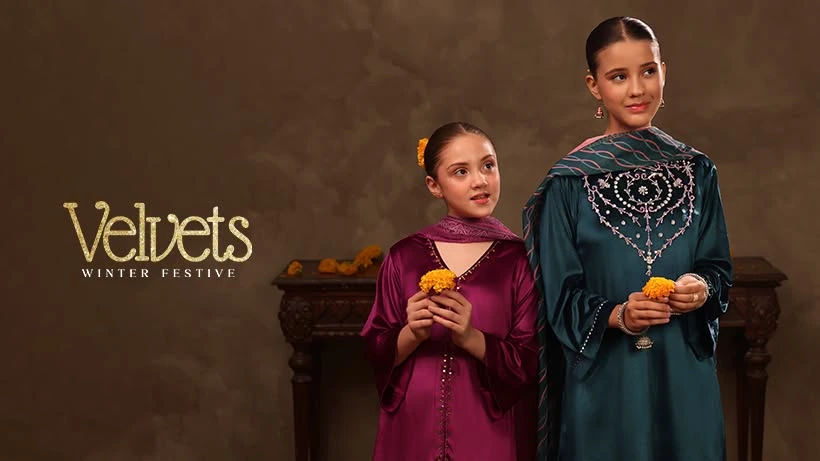
Finding the perfect fit is not simply about choosing a dress that looks attractive on a mannequin. It involves understanding body proportions, selecting suitable cuts, considering fabric behaviour, and paying attention to small tailoring details. A well-fitted outfit can make a person feel confident without being too tight or unnecessarily loose.
Whether someone prefers a traditional shalwar kameez, an elegant Anarkali, a modern long shirt, or a stylish maxi, the right fit helps bring the entire outfit together. This guide explains how to choose an outfit that looks beautiful, feels comfortable, and suits the different activities associated with Eid celebrations.
Why Does the Fit of an Eid Outfit Matter?
The fit of an outfit affects its overall appearance, comfort, and practicality. Even expensive fabric and detailed embroidery may not create the desired look if the dress does not sit properly on the body.
A properly fitted outfit creates balance between different parts of the body. It allows the shoulders to sit naturally, the sleeves to move comfortably, and the trousers to maintain their intended shape.
Fit also influences how a person carries themselves. When clothing feels comfortable, there is less need to adjust sleeves, pull down a shirt, or rearrange a dupatta throughout the day.
Creates a Balanced Appearance
A good fit helps maintain proportion between the upper and lower parts of an outfit. For example, a long, loose shirt may look more balanced with straight trousers, while a flared shirt may pair beautifully with fitted bottoms.
The aim is not necessarily to make every part of the outfit fitted. Instead, each element should work together to create a pleasing silhouette.
Improves Everyday Comfort
Eid celebrations often involve several activities, including visiting relatives, attending gatherings, enjoying meals, and taking photographs.
A dress that feels restrictive can make these activities uncomfortable. Proper shoulder measurements, suitable sleeve openings, and comfortable waist fittings help prevent this problem.
Makes Fabric and Embroidery Look Better
Fabric behaves differently depending on how it is cut and stitched. Heavy embroidery may pull down certain areas, while lightweight materials may fall unevenly if the measurements are incorrect.
A suitable fit allows decorative elements to sit naturally without creating unwanted folds or pulling.
Understanding Your Body Shape Before Choosing a Dress
One of the most useful steps in selecting an outfit is understanding your natural body proportions. Different cuts and silhouettes create different visual effects, so knowing what works well can make shopping and tailoring easier.
However, body shapes should be treated as helpful styling guidelines rather than strict rules. Anyone can wear any style if the measurements, fabric, and overall design are suitable.
Dresses for an Hourglass Figure
An hourglass figure generally has balanced shoulders and hips with a more defined waist.
Outfits that gently highlight the waist can complement these proportions. Fitted kameez styles, belted dresses, and lightly flared silhouettes are popular options.
A tailored waist can create a graceful appearance without making the outfit feel restrictive.
Avoid choosing a dress that pulls tightly around the bust or hips. The fabric should follow the body's natural shape while allowing comfortable movement.
Dresses for a Pear-Shaped Figure
A pear-shaped figure usually has hips that are wider than the shoulders.
A-line shirts, embroidered necklines, and outfits with interesting sleeve details can help create visual balance.
Long shirts with a gentle flare are also suitable because they provide movement without clinging to the hips.
If the dress includes heavy embroidery, placing more decoration around the neckline or upper body can create an attractive balance.
Dresses for an Apple-Shaped Figure
An apple-shaped figure often carries more fullness around the middle section.
Straight-cut shirts, empire-waist dresses, and softly flowing fabrics can provide a comfortable and flattering appearance.
Avoid waistbands that feel too tight or fabrics that create unnecessary pressure around the stomach.
A dress with vertical embroidery or a longer front opening can also create a visually elongated silhouette.
Dresses for a Rectangle Body Shape
A rectangle body shape generally has relatively similar measurements across the shoulders, waist, and hips.
Layered designs, peplum shirts, flared kurtas, and waist-defining details can add visual dimension.
A well-structured outfit can introduce shape without requiring uncomfortable tailoring.
Choosing the Right Dress Length
Dress length is one of the most important measurements when selecting traditional Eid clothing. A shirt that is too short or too long can change the overall appearance of an outfit.
The ideal length depends on the design, the wearer's height, and the type of trousers being worn.
Short Shirts
Short shirts work particularly well with wide-leg trousers, palazzos, and traditional shalwars.
They create a modern appearance and can be suitable for people who prefer a less traditional silhouette.
However, the shirt should not be so short that it restricts movement or makes the wearer uncomfortable when sitting.
Medium-Length Shirts
Medium-length shirts are among the most versatile options.
They can be paired with straight trousers, cigarette pants, tulip shalwars, or narrow-fit bottoms.
This length is suitable for casual family gatherings as well as more formal Eid occasions.
Long Shirts
Long shirts create a graceful and traditional appearance.
They are especially popular with straight trousers and fitted bottoms. A longer shirt can also work beautifully with side slits that allow comfortable movement.
When choosing this style, make sure the length does not interfere with walking or create difficulty when climbing stairs.
Floor-Length Dresses
Maxis and floor-length dresses are popular choices for formal Eid celebrations.
Their length should be carefully measured according to the footwear that will be worn.
A dress that touches the floor excessively may become difficult to manage. Ideally, the hem should provide enough clearance for walking while maintaining the intended flowing appearance.
Getting the Shoulder and Sleeve Measurements Right
Shoulders and sleeves are small design details that have a major impact on the appearance of an outfit.
Incorrect shoulder measurements can make even an expensive dress look poorly tailored.
Shoulder Fitting
The shoulder seam should normally sit close to the natural edge of the shoulder.
If the seam falls too far down the arm, the dress may look oversized unless the design intentionally uses dropped shoulders.
If it sits too far inward, the garment may pull across the upper body.
When trying on a dress, raise your arms and move them forward. The shoulder area should remain comfortable without excessive pulling.
Sleeve Length
Sleeve length depends on personal preference and the overall design.
Common choices include:
-
Full-length sleeves for traditional and formal outfits.
-
Three-quarter sleeves for a balanced, versatile appearance.
-
Elbow-length sleeves for lighter and more contemporary styles.
-
Short sleeves for casual summer clothing.
The sleeve should finish at the intended point without restricting wrist or elbow movement.
Sleeve Width
Sleeves should provide enough room for natural movement.
Tight sleeves can become uncomfortable during meals, driving, or other activities. Extremely wide sleeves may interfere with everyday tasks.
Bell sleeves, bishop sleeves, and flared cuffs should have enough structure to maintain their intended shape.
Selecting the Correct Fabric for a Comfortable Fit
Fabric selection is closely connected to clothing fit. Different materials have different levels of stretch, weight, stiffness, and drape.
Understanding these characteristics helps prevent common tailoring problems.
Lawn and Cotton
eid dress design Daytime Eid celebrations and warm weather.
Lawn and cotton are lightweight materials that allow air circulation. They are popular choices for Pakistani summer clothing.
These fabrics generally work well for straight shirts, relaxed silhouettes, and everyday traditional outfits.
However, lightweight cotton may require lining in certain areas to maintain suitable coverage.
Chiffon
Best for: Formal and semi-formal outfits.
Chiffon creates a soft, flowing appearance. It is often used for dupattas, sleeves, and layered dresses.
Because it is lightweight, it can move beautifully with the body.
A suitable inner lining is important when chiffon is used for the main dress. The lining should not be excessively tight or bulky.
Silk and Organza
Best for: Elegant and formal Eid clothing.
Silk and organza can create structured and sophisticated outfits.
Silk generally offers a smooth drape, while organza provides more volume and shape.
These materials need careful tailoring because their structure can make incorrect measurements more noticeable.
Georgette
Best for: Flowing dresses and layered designs.
Georgette is a popular choice for Anarkalis, maxis, and contemporary traditional outfits.
Its soft movement makes it suitable for designs that require a graceful silhouette.
The fabric should be fitted carefully around the shoulders and upper body while maintaining enough room through the skirt.
How Should an Eid Dress Fit Around the Waist and Hips?
The waist and hip areas are important because they influence both comfort and the overall silhouette.
A dress should sit naturally without creating unnecessary pressure or unwanted fabric folds.
Comfortable Waist Measurements
A fitted waist can add definition to an outfit, especially in Anarkali dresses, peplum shirts, and belted designs.
However, the waist should never feel excessively tight.
When sitting, bending, or eating, the fabric should remain comfortable.
For dresses with elastic waistbands, check that the elastic provides support without digging into the skin.
Proper Hip Fitting
The hip area should provide sufficient space for walking and sitting.
Straight trousers should fall smoothly without pulling across the thighs or hips.
Similarly, a long shirt should not become restrictive around the lower body.
If a design includes side slits, they should be positioned and stitched carefully to support comfortable movement.
Choosing the Right Trouser Style
The bottom portion of an outfit can change its entire appearance.
Consider these popular options:
-
Straight trousers: Suitable for long shirts and traditional outfits.
-
Palazzo pants: Provide a relaxed appearance and work well with shorter shirts.
-
Cigarette pants: Create a clean, structured silhouette.
-
Shalwar: Offer traditional styling and comfortable movement.
-
Gharara: Add volume and a festive appearance.
-
Sharara: Work particularly well with formal and heavily decorated shirts.
The most suitable choice depends on the shirt's cut, fabric weight, and overall proportions.
Matching the Fit with Different Eid Dress Styles
Different clothing styles require different fitting approaches. A design that looks beautiful when fitted loosely may lose its appeal if stitched too tightly.
Understanding the structure of each style helps achieve better results.
Peplum designs feature a fitted upper section with additional fabric around the waist.
The waist seam should sit at the intended position to maintain the design's proportions.
The peplum should have enough volume to fall naturally without appearing stiff or excessively bulky.
How Embroidery and Embellishments Affect Dress Fitting
Embroidery is an important part of festive Pakistani clothing. However, decorative details can influence the weight and structure of an outfit.
Heavy embellishments around the neckline, sleeves, or hemline may change how the fabric hangs.
Consider the Weight of Embroidery
Heavy embroidery can pull lightweight material downwards.
For this reason, the stitching and lining should provide enough support.
If a dress has extensive embroidery around the shoulders, the shoulder seams should be reinforced appropriately.
Keep the Neckline Comfortable
Neckline designs include round, square, V-shaped, boat, and sweetheart styles.
The neckline should suit the overall design while remaining comfortable.
It should not feel too restrictive around the neck or expose more than the wearer prefers.
Balance Decorative Details
An outfit with heavy embroidery does not necessarily need a complicated silhouette.
Sometimes, a relatively simple cut allows decorative work to become the main attraction.
Balanced decoration also helps the outfit look sophisticated rather than visually overwhelming.
Choosing an Eid Dress According to Height
Height can influence how different dress lengths and silhouettes appear.
The goal should be to create balanced proportions rather than follow strict fashion rules.
Styling for Petite Heights
People with petite heights may prefer vertical embroidery, manageable dress lengths, and streamlined silhouettes.
A high-waisted design can create the appearance of longer proportions.
Avoid excessive fabric pooling around the feet because it can make walking difficult.
Styling for Average Heights
People with average heights have flexibility when selecting different dress lengths.
Anarkalis, straight shirts, maxis, and A-line outfits can all work beautifully.
The important factor is selecting proportions that complement the chosen footwear and overall design.
Styling for Taller Heights
Taller individuals can comfortably experiment with longer shirts, layered designs, and wide-leg trousers.
Floor-length outfits can create an elegant appearance when the hemline is measured correctly.
The choice should depend on personal preference rather than height alone.
Common Fitting Mistakes to Avoid
Even when someone chooses a beautiful outfit, small fitting mistakes can affect the final result.
Recognising these problems before purchasing or stitching a dress can save time and money.
Choosing a Dress That Is Too Tight
Tight clothing may look structured while standing but become uncomfortable when sitting or moving.
Always check the garment in different positions rather than judging it only in front of a mirror.
Selecting an Oversized Outfit Without Considering Proportions
Loose clothing can be comfortable and stylish.
However, if every part of an outfit is excessively oversized, the overall shape may appear unbalanced.
Combining relaxed and structured elements often creates a more polished result.
Ignoring the Importance of Undergarments
Undergarments influence how clothing sits on the body.
The correct undergarments can improve comfort, support, and the overall appearance of the dress.
Always consider them when taking measurements or attending a fitting session.
Forgetting About Footwear
Shoes affect dress length, especially with maxis and floor-length outfits.
If possible, wear the footwear intended for Eid when checking the final hemline.
Ignoring Fabric Shrinkage
Some fabrics may shrink after washing or dry cleaning.
Before stitching, check the material's care instructions. Pre-treating suitable fabrics can help reduce unexpected changes in size.
How to Get the Perfect Eid Dress Tailored
Professional tailoring can make a significant difference, particularly when purchasing unstitched fabric.
A few simple steps can help achieve a better result.
Take Accurate Measurements
Measurements should be taken carefully rather than estimated.
Important measurements include:
-
Shoulder width.
-
Bust or chest circumference.
-
Waist circumference.
-
Hip circumference.
-
Sleeve length.
-
Armhole measurement.
-
Shirt length.
-
Trouser length.
-
Trouser waist and hip measurements.
Measurements should be recorded accurately and shared with the tailor.
Discuss the Desired Silhouette
Before stitching begins, explain whether you prefer a fitted, relaxed, straight, or flowing appearance.
Showing a reference photograph can help communicate the intended style.
Also discuss sleeve shape, neckline depth, side slits, and trouser design.
Request a Trial Fitting
A trial fitting is especially helpful for complicated or formal outfits.
Try the dress before the final finishing touches.
Check whether the shoulders sit properly, sleeves move comfortably, and the waist and hips provide sufficient room.
Check the Final Stitching
Inspect the seams, hems, buttons, zippers, and decorative details.
Make sure the lining is comfortable and that the fabric does not pull when you move.
A final fitting should be completed before Eid rather than leaving adjustments until the last moment.
Seasonal Considerations When Choosing an Eid Outfit
Eid can fall during different seasons, depending on the Islamic lunar calendar.
The weather should therefore be considered when choosing fabric, sleeves, and overall fitting.
Summer Eid Outfits
For warm weather, breathable materials such as cotton and lawn are practical options.
Relaxed silhouettes can improve airflow and make long celebrations more comfortable.
Avoid unnecessarily thick linings and heavy layers when temperatures are high.
Winter Eid Outfits
For colder weather, velvet, heavier silk, and thicker materials may be suitable.
Long sleeves, layered outfits, and structured designs can provide additional warmth.
However, the outfit should still allow natural movement.
Evening Celebrations
Evening events often involve formal clothing with additional embroidery and embellishments.
Choose a silhouette that maintains its structure without feeling restrictive.
The right balance between fabric weight, lining, and measurements helps create an elegant appearance.
How to Choose the Right Fit for Different Eid Activities
An outfit should suit the activities planned for the celebration.
A dress that works perfectly for a short formal event may not be practical for a full day of visiting family members.
Family Gatherings
For family gatherings, comfortable straight shirts, A-line dresses, and traditional shalwar kameez outfits are suitable.
Choose sleeves and waist measurements that allow you to sit and move comfortably.
Visiting Relatives
If you plan to visit several homes, consider lightweight materials and practical footwear.
Avoid extremely long hems or heavy sleeves that may become difficult to manage throughout the day.
Formal Eid Events
For formal occasions, Anarkalis, embroidered maxis, and elegant three-piece outfits can create a sophisticated appearance.
Pay special attention to the bodice, neckline, and overall silhouette.
Outdoor Celebrations
Outdoor activities require greater attention to fabric and movement.
Choose breathable materials and comfortable cuts.
A well-fitted dress should allow you to walk, sit, and participate in activities without constant adjustments.
Conclusion
Finding the right fit is one of the most important parts of choosing an attractive and comfortable Eid outfit. Although colours, embroidery, embellishments, and fabric often receive the most attention, proper fitting brings all these elements together.
A beautiful eid dress design should complement natural body proportions while providing enough space for comfortable movement. The shoulders should sit correctly, sleeves should allow flexibility, and the waist and hips should feel relaxed without making the outfit look shapeless.
Choosing the right dress length, fabric, and silhouette also makes a considerable difference. Straight-cut shirts, Anarkalis, A-line dresses, maxis, and peplum outfits each have different fitting requirements. Understanding these differences helps people select clothing that matches their personal style and the occasion.
It is equally important to consider practical details such as footwear, lining, embroidery weight, and seasonal weather. A dress that looks beautiful but feels uncomfortable may not be the best choice for a full day of Eid celebrations.
Accurate measurements and professional tailoring can prevent many common problems. Taking time for a trial fitting and checking the final stitching ensures that the outfit looks polished and feels comfortable.
Ultimately, the best outfit is one that makes the wearer feel confident, relaxed, and happy. Rather than following every fashion trend, choose a style that reflects your personality and suits your preferences. When comfort, proportion, fabric, and personal taste come together, the result is an outfit that makes Eid celebrations even more memorable.

Leave a Reply